
Photogrammetry vs. Laser Scanning: Which for 3D Modeling?
Photogrammetry uses stereoscopic vision: object dimensions are determined from overlapping photographs. Modern algorithms automatically build a point cloud and turn it into a complete model…
Contents
Creating 3D models of objects and sites is no longer a task reserved for narrow specialists. Today, photogrammetry and laser scanning are accessible to researchers, engineers, architects, and even enthusiasts. But what are the main differences between these methods, and which one should you choose for a particular project?
Photogrammetry: 3D models from photographs
Photogrammetry relies on stereoscopic vision: object dimensions are determined from a series of overlapping photographs. Modern algorithms automatically generate point clouds and convert them into full 3D models. All you need is a digital camera and software, ranging from free tools to commercial packages.
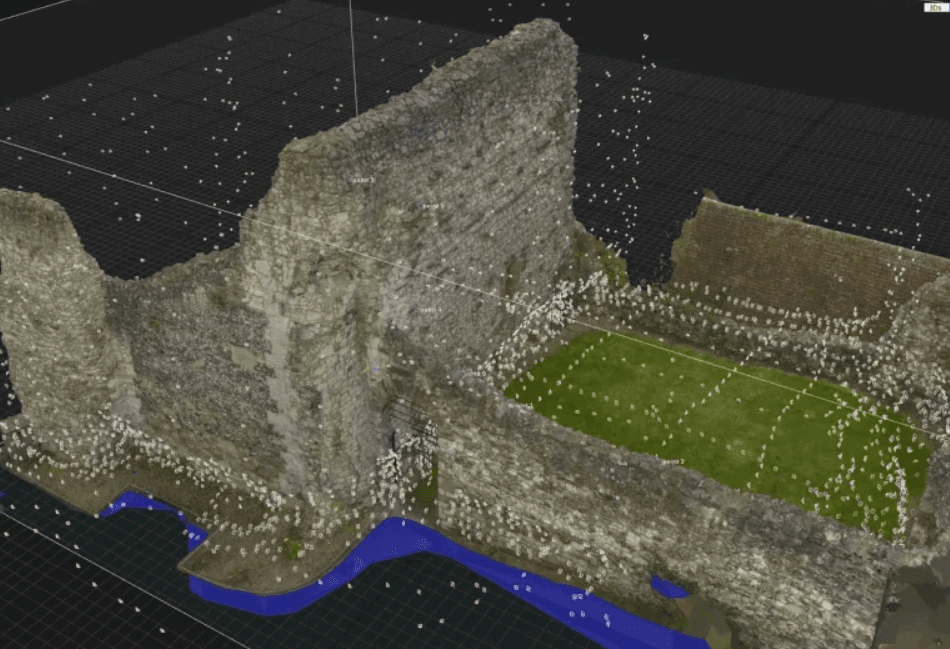
- Main advantages
- low cost
- a camera and computer are sufficient;
accessibility — users do not need extensive photogrammetry expertise;
versatility — suitable for documenting archaeological excavations, architectural structures, and landscapes.
There are also limitations:
dependence on shooting conditions: bright sunlight, fog, and harsh shadows reduce quality;
lower accuracy than laser scanning, with additional surveying control required;
results may vary depending on software and settings, sometimes described as the method's “subjectivity.”
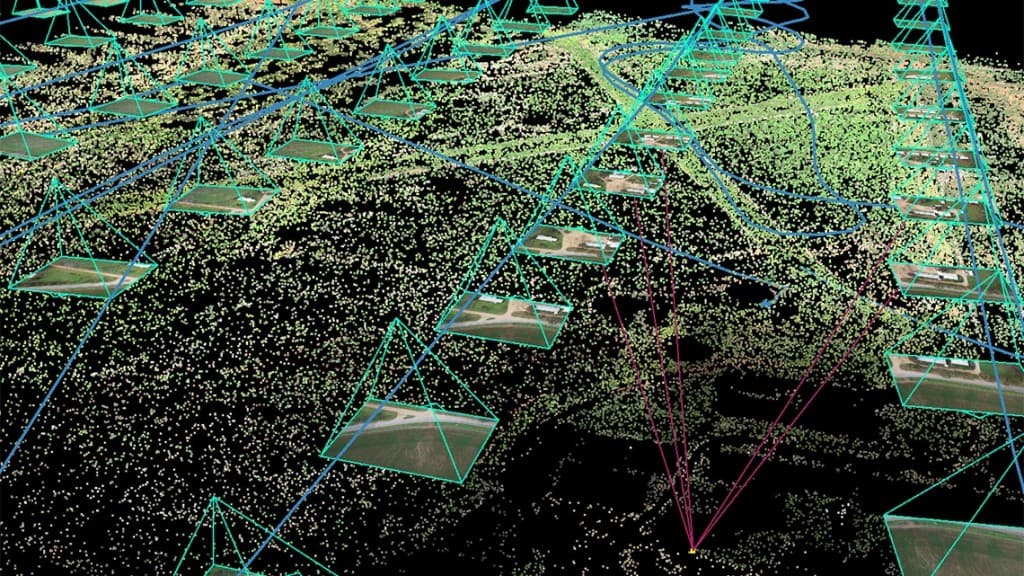
(source: https://www.maptek.com/blogs/photogrammetry-on-the-fly/)
Photogrammetry remains an excellent choice when speed and accessibility matter: rapid surveys, educational projects, and clear visualizations. When high measurement accuracy and standardized data are the priorities, photogrammetry is more often used as a supporting method alongside laser scanning.
Laser scanning: millimeter-level accuracy
Laser scanning builds models from millions of points with known coordinates, producing a “point cloud.” Scanners such as Artec Ray can document an object quickly and in detail with high measurement accuracy.
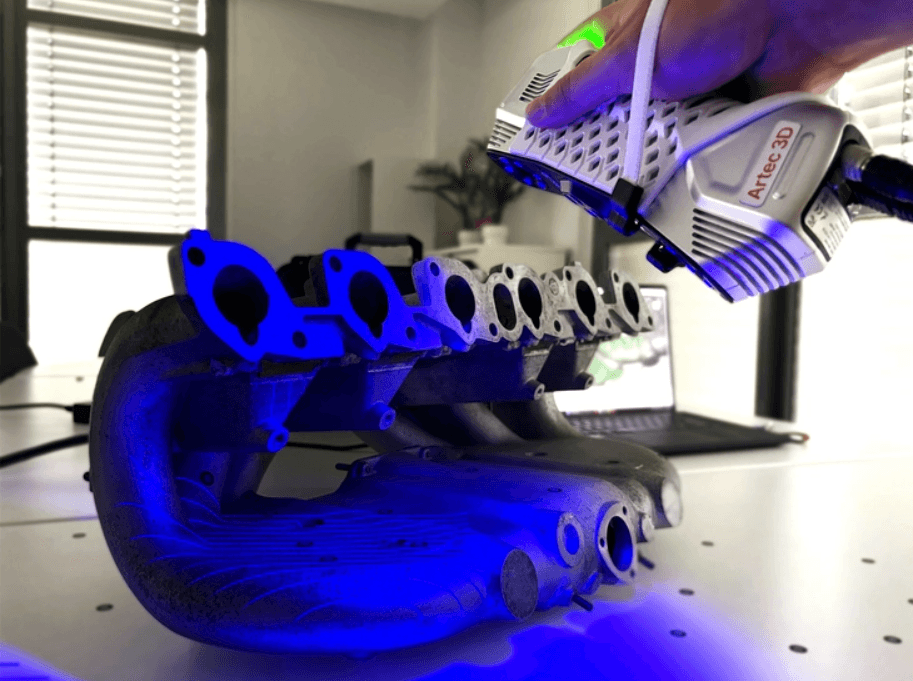
Advantages of the technology:
high measurement accuracy and repeatable results;
independence from lighting (scanning is possible even at night);
automatic capture of details, from vegetation to small surface irregularities.
There are limitations as well:
high equipment and software costs;
a certain level of operator training is required, although modern scanners are gradually lowering this barrier. More solutions are designed for intuitive use, making the technology increasingly accessible.
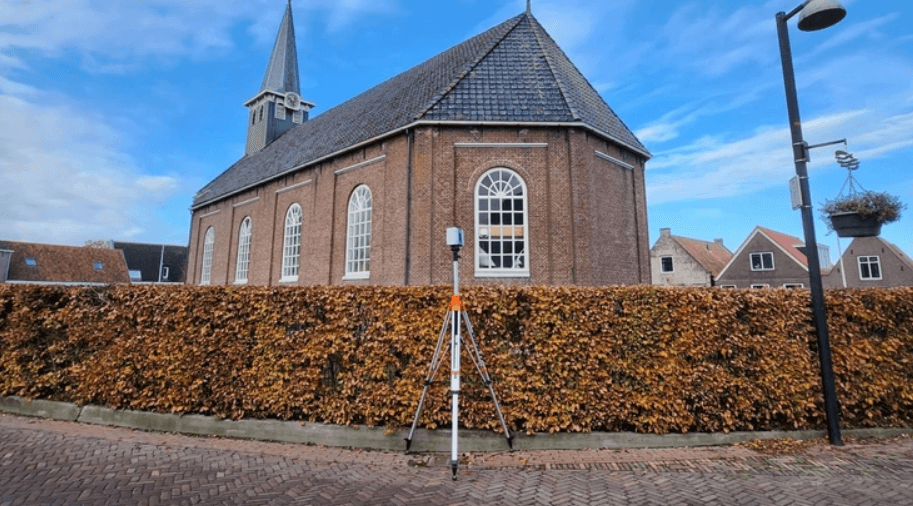
Public courses on using laser scanners will soon launch in Kazakhstan. This is an important step toward making the technology accessible not only to engineers but also to archaeologists, restorers, students, and researchers across many fields.
To register or learn more, contact our training center on WhatsApp:
Practical comparison: archaeologists' experience
Researchers at Saratov University compared photogrammetry and laser scanning at an excavation of the Uvek settlement.
Photogrammetry produced a 3D model quickly and at low cost, with minimal distortion and sufficient quality for visualization and analysis.
Laser scanning delivered reference-level accuracy and detail, but required expensive equipment and operator training.
The conclusion is straightforward:
photogrammetry is ideal for large-scale documentation, monitoring, and educational projects;
laser scanning is the better option when maximum accuracy is critical, such as in restoration or engineering work.
Conclusion
Photogrammetry and laser scanning are complementary rather than competing technologies.
The first is an accessible and fast way to create an informative 3D model.
The second is a tool for tasks where errors are measured in millimeters.
The right choice depends on the project's priorities: speed and affordability or measurement accuracy.
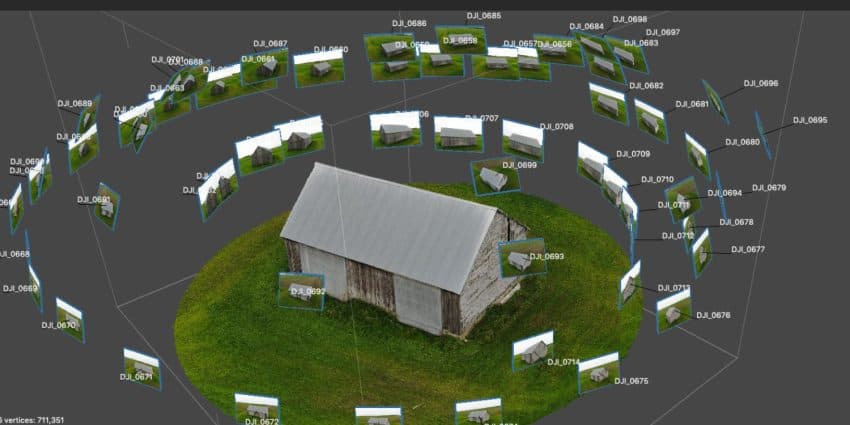
(source: https://bitfab.io/blog/photogrammetry/)
If you are considering introducing laser scanning into your company's workflow, we can help.
We will recommend equipment for your needs, train your staff to use 3D scanners effectively, and support you through every implementation stage.